
Eating seasonally in March: Student cooking budgets and the hungry gap (guest contribution from Sasha Halliwell, University of Exeter)
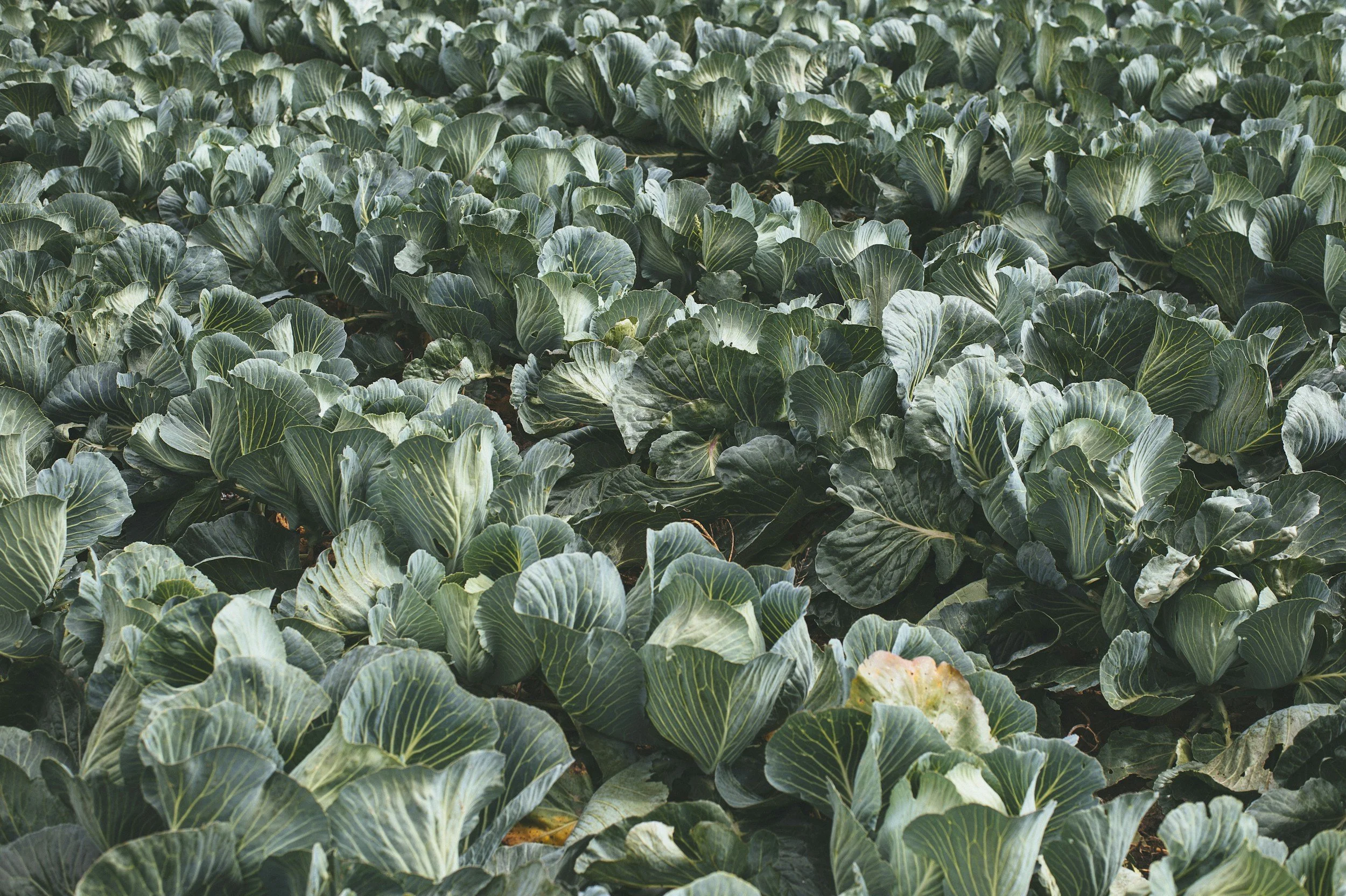
A guest perspective from University of Exeter student Sasha Halliwell on seasonal eating, student cooking budgets and navigating the UK’s ‘hungry gap’
Introduction
Sasha Halliwell from the University of Exeter recently spent a couple of months on a work experience placement with me as part of her Sport and Nutrition degree. We also recently attended the International Women’s Day event hosted by the Westcountry Women Awards together, where she helped support conversations on my stand about nutrition and everyday food choices; I really loved working with her and the fresh perspective it brought to my world.
During her placement time she explored blog writing as part of her placement; we discussed different potential topics and content for a March blog and below is the result.
Seasonal eating is something I often encourage where possible, not only for environmental reasons but also for flavour, connection to food and supporting local growers. However, as Sasha highlights in this piece, the reality is sometimes more complex, especially during what is traditionally known as the ‘hungry gap’.
I’m delighted to share Sasha’s reflections below.
Sasha’s blog:
Now that the sun is setting past 5pm and the odd bright day breaks up weeks of rain, we know March is here. The light of spring is shining through the dark tunnel of winter – but we’re not quite there yet.
With this milder weather, the abundance of hardy winter vegetables comes to a halt, and we’re left with… not a lot.
March marks the start of the awkward time in the UK known as “The Hungry Gap”, when local produce is at its lowest and doesn’t really pick up again until May or June.
Eating seasonally and locally is widely recognised as beneficial to the environment (in terms of carbon footprint, air miles, and food waste), and seasonal produce often tastes better too. Not only that, but it also supports local British farms, which often struggle to compete with larger global supply chains.
However, is this realistic when available produce is so limited? Is importing fruit and vegetables acceptable when we can’t produce them ourselves? And how does this affect students where budget is usually the priority?
What’s Actually in Season in March?
Despite much lower yields in March compared to other months, there are still a few crops that are abundant in the UK, according to the National Trust:
• Cauliflower
• Forced rhubarb
• Purple sprouting broccoli
• Kale
• Leeks
• Savoy cabbage
There will also be some stored fruit and vegetables available from previous months, such as:
• Stored apples
• Stored carrots
• Stored pears
The hungry gap
From March to mid-June, farms across the UK experience a dip in produce as hardier winter vegetables are no longer harvested, stored vegetables begin to run out, and spring crops haven’t yet reached their peak.
Historically, this period caused significant food insecurity in the UK. However, with the rise of food imports in recent decades, this is no longer a widespread issue.
Is it practical to eat seasonally as a student?
In the summer months, seasonal eating is often more cost-effective and better for the environment than buying imported fruit and vegetables, thanks to the natural abundance available in the UK. It’s much easier to eat a wide variety of locally grown plants, and they’re often cheaper than imported equivalents.
In March, however, what’s in season tends to be inexpensive produce such as cabbages, cauliflower and stored carrots. These are cost-effective choices for students, but because the range of crops is limited at this time of year, it can be difficult to achieve enough variety.
In some cases, importing produce may be necessary to support a balanced and nutritious diet.
Imported food at this time of year can sometimes be cheaper than locally produced food due to more efficient supply chains and lower labour costs in other countries. For example, forced rhubarb, which is primarily grown in Yorkshire, is often more expensive than imported, outdoor-grown rhubarb.
Where there are significant price differences, students are far more likely to choose the cheaper option, even if it comes with a higher carbon footprint.
How to eat seasonally (as much as possible) as a student
As mentioned, cauliflower, carrots, and kale are all low-cost vegetables grown in the UK at this time of year. By choosing recipes centred around these affordable seasonal vegetables, it’s possible to stick to a budget while still eating seasonally.
Here are some ideas to keep costs down and save time:
• Batch cook (cook once and eat two, three, or four times).
• Choose a few key seasonings used in multiple dishes, such as paprika, turmeric, or cumin, and share them with housemates.
• Grow your own herbs - they provide an almost endless supply of fresh flavour and can brighten up any student kitchen.
• Use affordable pulses like lentils, chickpeas, and beans to bulk out meals and make them go further.
Here are some recipes using March’s seasonal vegetables and stored winter crops:
Cauliflower soup: https://www.loveandlemons.com/cauliflower-soup/
Cauliflower wings: https://www.delishknowledge.com/air-fryer-cauliflower-wings/
Savoy cabbage, pea and chorizo pasta: https://www.waitrose.com/ecom/recipe/pea-savoy-cabbage-fettuccine-with-chorizo-crumbs
Broccoli and carrot stir fry: https://www.olivemagazine.com/recipes/vegetarian/broccoli-stir-fry/
Apple and rhubarb crumble: https://www.olivemagazine.com/recipes/baking-and-desserts/apple-and-rhubarb-crumble/
Kale, carrot and chickpea salad: https://www.loveandlemons.com/kale-salad/
Chicken, bean and leek traybake: https://www.bbcgoodfood.com/recipes/creamy-chicken-bean-leek-traybake
Despite the environmental and economic benefits of eating seasonally, it may not always be practical at this time of year - particularly for students, where cost is a major factor.
However, there are still ways for students to enjoy seasonal produce affordably. By batch cooking, sharing spices with housemates and choosing cheaper seasonal vegetables where possible, it’s still possible to eat a balanced diet that includes locally grown fruit and vegetables.